

Activating Windows 11: Simplifying Your Software Licensing
Windows 11 activation is a crucial step in ensuring your operating system runs smoothly and legally. This process can seem daunting, but with the right guidance, you can navigate it confidently. Understanding how to activate Windows 11 not only ensures compliance with Microsoft’s licensing agreements but also unlocks the full potential of your operating system. With proper activation, users gain access to all features, updates, and support that come with a legitimate copy of Windows 11.
Understanding Windows 11 Activation
Activation is a process that verifies your copy of Windows is genuine and hasn’t been used on more devices than allowed by the Microsoft Software License Terms. Windows 11 activation can be accomplished in several ways, depending on how you obtained your copy of the operating system. Whether you’ve purchased a new device or upgraded from an older version, activating Windows 11 is essential to maintain system integrity and security.
Types of Product Keys
The method you use for Windows 11 activation depends largely on the type of product key you possess. A digital license or product key is necessary for this task. If you’ve upgraded from an earlier version such as Windows 10, the activation is often seamless. However, if you’re installing fresh, you’ll need a valid product key or digital license tied to your Microsoft account. These keys are unique and essential for confirming the authenticity of your software.
Different types of licenses cater to various needs: Retail keys for individual purchases, OEM keys pre-installed on devices by manufacturers, and Volume License Keys (VLK) used by enterprises for bulk licensing. Each type has specific pathways for activation that must be followed to ensure compliance and functionality.
Step-by-Step Guide for Activation
To perform Windows 11 activation, you need to enter a valid product key during installation. Alternatively, if you have a pre-installed version, activation might occur automatically when connected to the internet. For manual activation, navigate to Settings > Update & Security > Activation and choose “Activate”. Enter your digital license when prompted. This straightforward process ensures your system is set up correctly from the start.
If issues arise during this process, it’s important to check network connections as online verification may be necessary. Additionally, ensure that any firewall settings allow communication with Microsoft’s servers for successful completion.
Troubleshooting Activation Errors
Activation errors can arise from incorrect product keys or hardware changes. When such issues occur, Windows provides an error code with a brief description. For instance, error code 0xC004F050 indicates an invalid product key. Consulting Microsoft’s support or using their automated troubleshooter can often resolve these issues. It’s important to address these errors promptly to avoid any disruptions in service.
In some cases, significant hardware changes like replacing a motherboard could trigger deactivation due to system recognition failure. Utilizing tools to re-associate your digital license through your Microsoft account can rectify these situations efficiently.
Advanced Activation Techniques
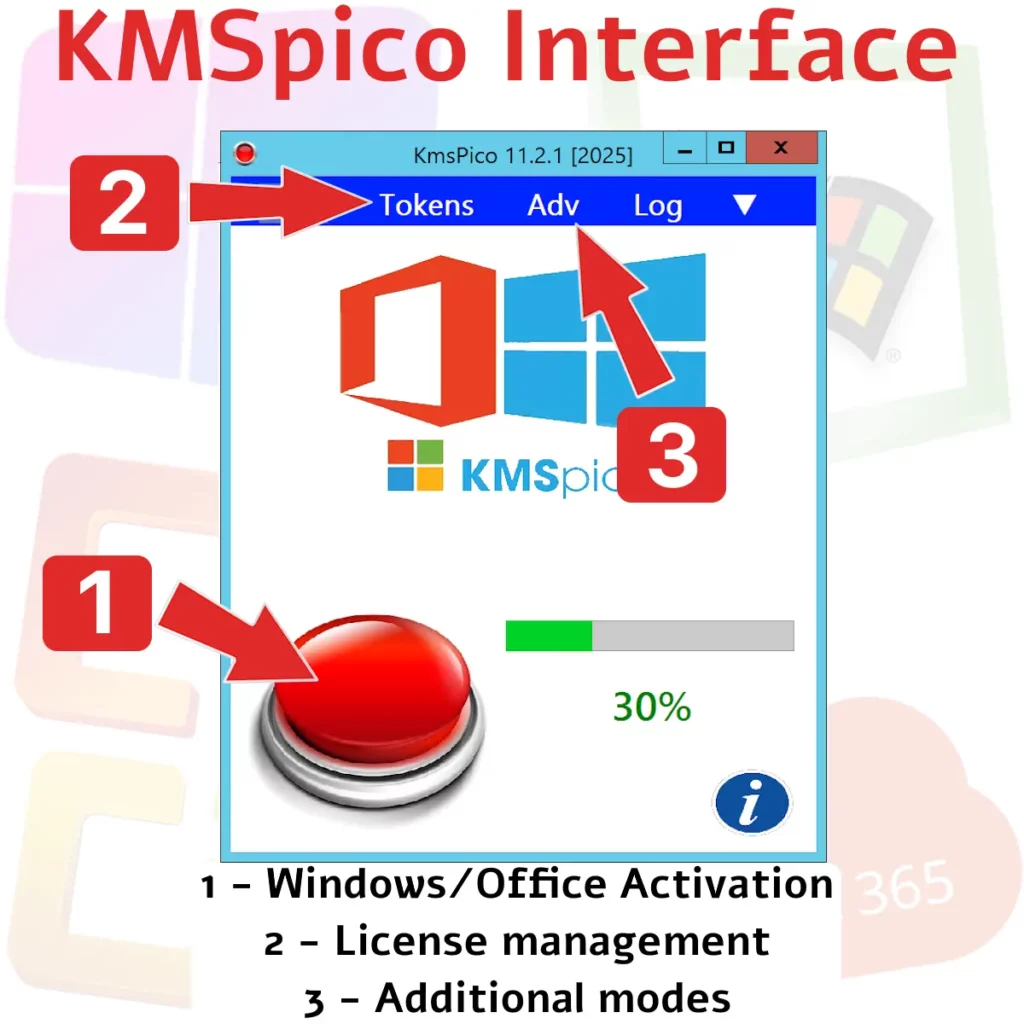
There are advanced methods like using Key Management Service (KMS) tools for bulk activations in enterprise environments. Tools like kms pico download, kmspico office 2019, and kms auto automate this process by managing licenses across multiple machines. These tools are especially useful for IT departments managing large numbers of installations simultaneously.
KMS Tools Overview
- KMS Auto: A reliable option for handling activations without needing constant internet access.
- KMSPico: Supports various versions including kms for windows 10 and kmspico office 2016.
- KMS Tools Collection: A comprehensive suite that includes kmspico 11 among other activators for different products and versions.
KMS tools simplify the activation process by centralizing control over licenses within an organization, reducing administrative overhead and ensuring compliance across all systems.
These tools also offer flexibility by allowing offline activations where internet connectivity is limited or controlled within secure networks to prevent unauthorized access.
Using DISM for Troubleshooting
The Deployment Imaging Service and Management tool (DISM) can help repair system files which might interfere with Windows 11 activation. Running the command “DISM /Online /Cleanup-Image /RestoreHealth” in Command Prompt as administrator resolves many underlying system issues. This powerful tool restores corrupted files that could otherwise hinder proper activation.
This command ensures that any component store corruption affecting critical system files is addressed, enhancing overall stability and performance post-activation.
Enterprise Considerations for Windows 11 Activation
Larger organizations often face unique challenges with Windows 11 activation due to multiple installations. Utilizing centralized solutions like KMS becomes critical in such environments. By setting up a KMS host server, enterprises can activate all systems without each requiring individual licenses. This approach streamlines operations and ensures consistency across an organization’s infrastructure.
Lab Constraints and Testing Environments
While setting up test environments or virtual machines (VMs), such as with a constraint of VM 2 vCPU / 4 GB RAM, it’s important to capture snapshots before implementing significant changes or activations. This allows easy reversion to previous states if issues arise during testing phases. Effective management of test environments ensures smooth transitions when deploying new updates or configurations.
Additionally, testing different configurations under controlled conditions helps identify potential compatibility issues before wider deployment within operational systems.
Verification of License Status
Once activated, it’s essential to verify that your Windows 11 activation was successful and compliant. Navigate back to Settings > Update & Security > Activation to check your activation status and confirm that no errors are present. Regularly checking this status helps maintain compliance and readiness to receive updates.
This verification step also includes reviewing logs generated during the activation process which provide insights into any anomalies encountered during setup or subsequent updates.
The Importance of Legal Compliance
Ensuring legal compliance through proper Windows 11 activation avoids potential security risks associated with pirated software that often lacks critical updates and exposes systems to vulnerabilities. Adhering to legal requirements protects both personal data and organizational assets from potential threats.
Benefits of Proper Activation
- Security Updates: Receive timely updates that protect against the latest threats.
- Full Functionality: Access all features offered by Windows without limitations imposed by unactivated copies.
- Support Access: Eligible for Microsoft support when encountering technical difficulties or needing guidance.
The importance of understanding and executing proper Windows 11 activation cannot be overstressed for both individual users and businesses alike. By following the correct pathways and considering advanced tools where necessary, you secure a robust foundation upon which your computing operations can thrive efficiently and legally. Proper activation not only enhances user experience but also safeguards against potential legal repercussions linked with unauthorized software use.
Recent Comments